Build the system before the pieces. That single decision separates a brand collateral set that still matches in two years from one that falls apart by the third brochure.
Most articles on this subject hand you a list of 26 items. A list is not a plan. What a business with a real budget needs is an order, and the order matters more than the inventory.
What counts as brand collateral
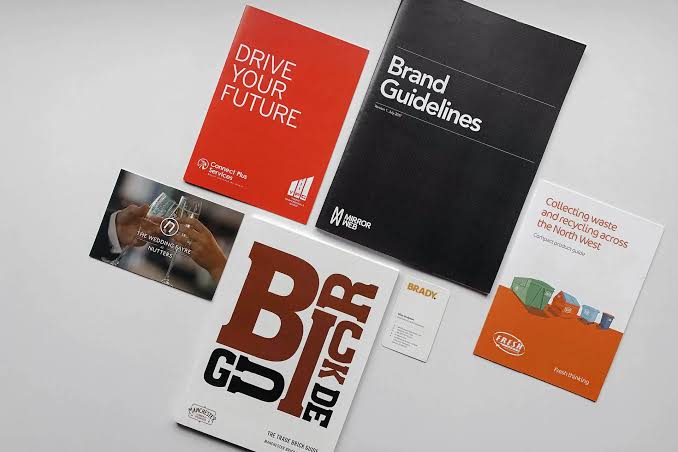
Brand collateral is the full set of designed materials a company uses to present itself. Business cards, brochures, packaging, social templates, presentation decks, signage, uniforms, merchandise, email footers.
Those split into two groups. Printed brand collateral covers anything physical a customer holds. Digital covers anything they see on a screen. Because the two are produced differently, a piece designed for one rarely works in the other without rework.
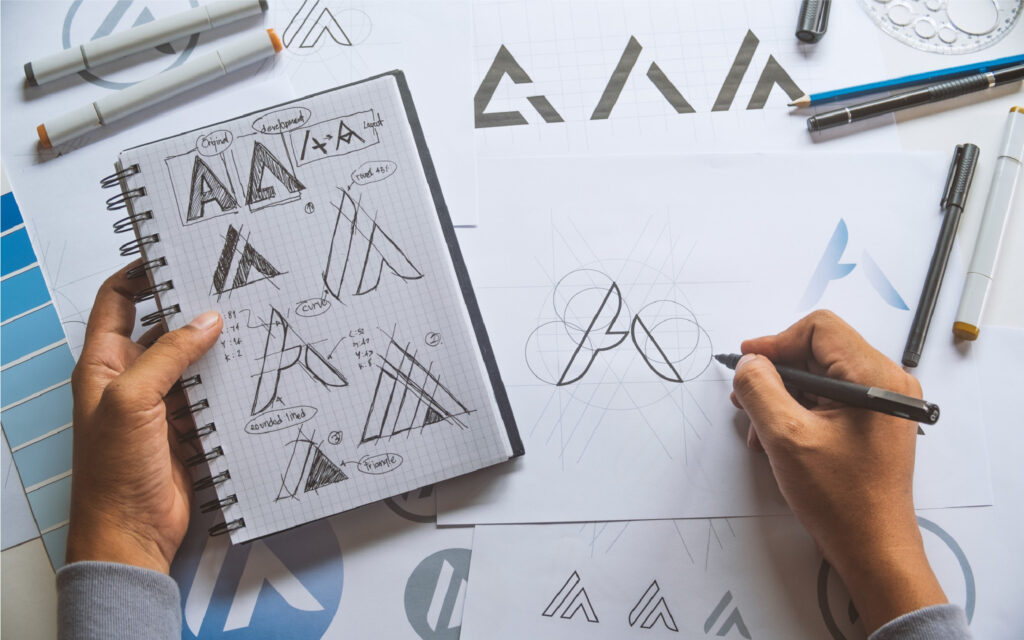
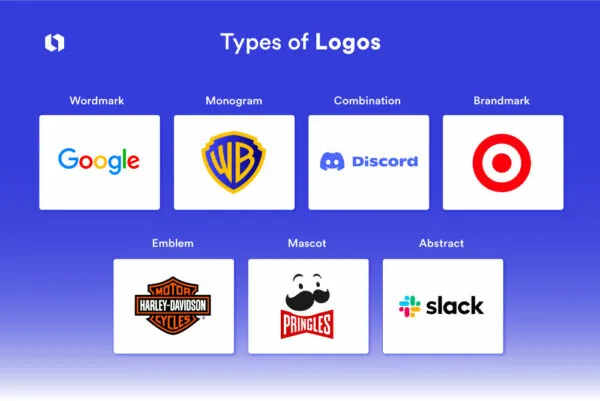
Your logo sits outside that definition. The logo is the source. Brand collateral is everything built from it, which is why commissioning a logo and stopping there leaves the job half finished.
One more distinction worth holding on to. Marketing collateral tends to stay stable for years, like stationery and packaging. Marketing collateral has a shorter life, like an event flyer or a campaign one-pager. Most businesses need both, produced from the same system.
Why most brand collateral fails
It rarely fails on quality. Each individual piece usually looks fine on its own.
It fails on consistency. A brochure uses a slightly warmer blue than the website. Meanwhile the deck uses a different font, because whoever built it never had the original. Then the packaging arrives from a supplier who worked off a screenshot.
Customers never consciously register any of this. They simply trust the business a fraction less each time, and nobody can point to the reason. That is the actual cost of unmanaged collateral design, and it compounds quietly.
What to make first
Start with the system, not the pieces
Before a single flyer gets designed, write down 6 things. Exact colour values in HEX, RGB and CMYK. Two fonts and the sizes they appear at. Minimum logo size. Clear space around the logo. Image treatment. What the brand never does.
That document takes a day and saves months. Every piece afterwards gets built from it, and any designer you hire in three years can match your existing work without guessing.
The first five pieces
For most businesses the opening set is short. A business card. A letterhead and invoice template. One brochure or one-pager that explains what you sell. A set of social templates your team can edit. An email signature.
Those five cover the situations a small company actually finds itself in: meeting someone, invoicing them, explaining the offer, posting online, and replying to email. Everything else is optional until those exist.
Notice what is missing from that list. No brochure suite, no merchandise, no exhibition graphics. Because each of the 5 gets used weekly, they pay for themselves in a way a display stand used twice a year never will.
What can wait
Merchandise, exhibition stands, vehicle wraps and full packaging systems all wait. They are expensive, they date quickly, and they only pay back once the basics are working.
That order holds for most service businesses, though it shifts by industry. A restaurant needs menus and signage before a brochure. A consultancy needs a proposal template before either. So sequence the list against where your customers actually meet you.
There is one exception. If you sell a physical product, packaging is not a later item, because it is the first thing a customer holds. So it moves to the front of the queue, ahead of the brochure.
Print and digital brand collateral need different files
This is where cheap work comes apart, and it has nothing to do with how the design looks.
Print needs CMYK colour, 300 dpi, 3mm of bleed and crop marks. So if you send an RGB file at 72 dpi to a printer, the colours shift, the edges show white, and 500 copies come back wrong.
Digital needs the opposite. RGB, compressed, sized for the platform. A 40 MB print PDF posted as a social graphic will not display properly anywhere.
So ask for both versions of every piece, and ask for the editable source files too. If a designer will not hand those over, you are renting your own branded collateral rather than owning it.
What brand collateral design costs
Prices vary more than they should, so it helps to know what drives them.
A single piece designed on its own costs the most per item, because the designer solves the layout problem from scratch every time. A set designed together costs less per piece, since the system does most of the work after the first two.
At the low end, packaged brand collateral design starts around $49 for a stationery pair and runs into the hundreds for a full set covering print, digital and packaging. Custom identity programmes for larger companies sit well above that.
Whatever you pay, two things should be included rather than charged as extras: print ready versions of every piece, and the editable source files. Treat both as standard, because plenty of studios quietly withhold the second one.
What to skip
Three things absorb budget and return very little.
First, anything with a date printed on it. Event flyers and dated brochures turn into waste the moment that date passes. Instead, keep the date on a sticker or a separate insert.
Second, volume orders early on. Ordering 5,000 business cards before the brand settles means reprinting 5,000 business cards. So order 250 and reorder when they run out.
Third, pieces nobody asked for. Branded pens exist because everybody makes branded pens, rather than because a customer ever picked a supplier over one.
Keeping brand collateral consistent as you grow
Consistency breaks at the handover rather than at the design stage. A new hire builds a deck. Then a sales rep edits a one-pager. Later a supplier redraws the logo to fit their own template.
Two habits prevent almost all of it. Keep one folder that holds the current approved files, and delete the old versions rather than archiving them. Then supply editable templates for the pieces your team touches weekly, so nobody has a reason to build from scratch.
Review the set once a year as well. Pull every live piece into one document and look at them side by side, because drift is invisible one item at a time and obvious when the whole set sits together. Anything that no longer matches either gets reissued or retired.
Need the whole set built from one system?
We design brand collateral as a set rather than a stack of separate jobs, starting with the system and working out from it. Print ready files, digital versions and editable source files hand over with every project. Packages start at $49.
[See collateral design packages]