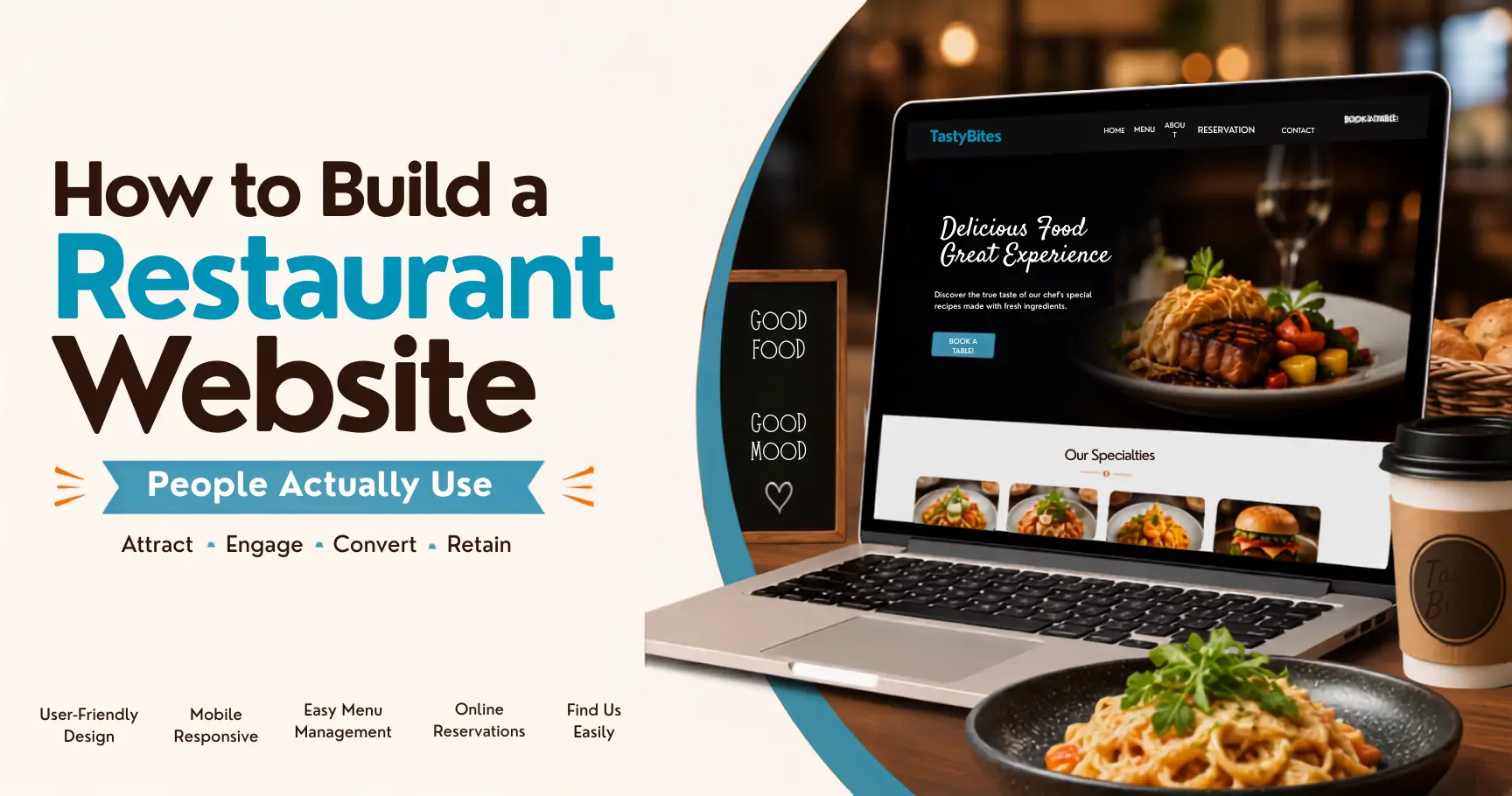
Most restaurant websites get built backwards. Someone hires a designer, picks a theme that looks nice on a laptop screen, adds a menu page, and calls it done. Then three months later they wonder why the phone isn’t ringing and the booking widget sits untouched. The problem usually isn’t the design itself. It’s that the site was built to look good instead of being built around how people actually decide where to eat.
Let’s go through what actually works, and where a lot of restaurants and hotels go wrong.
What People Are Really Looking For
Before someone books a table, they go through a quick mental checklist without even realizing it. What’s on the menu. Does the food look good. What do other people say about the place. Is it open right now. Can I get there easily. A restaurant website only needs to answer these questions clearly and quickly. Everything else is decoration.
This is why some of the simplest looking restaurant sites convert better than the flashy ones. They get straight to the point.
Website Design for Restaurants Versus Hotels
There’s a difference worth pointing out here, because a lot of businesses that run both a hotel and a restaurant treat them the same way online, and it usually backfires.
Restaurant website design lives and dies on speed and simplicity. Someone deciding where to eat tonight wants the menu and the phone number, fast. Website development for hotels carries more weight because it usually needs to handle actual bookings, room availability, rate comparisons, and longer decision-making. A guest picking a hotel might browse for twenty minutes. Someone picking a restaurant might decide in twenty seconds.
If your hotel has its own restaurant, giving that restaurant a clean, separate page (not one buried under five layers of hotel navigation) makes a real difference. People searching for dinner don’t want to wade through room booking forms to find your menu.
Restaurant Website Builder – When It’s the Right Call
A restaurant website builder makes sense for a lot of businesses, especially single-location spots that need to get online without a big budget or a long timeline. You pick a template built for restaurants, drop in your menu, connect a reservation tool, and you’re live within days.
The tradeoff is sameness. Builders are popular because they work, but that also means a lot of restaurants using the same platform end up with sites that look nearly identical to their competitors down the street. For a new restaurant just trying to establish an online presence, that’s a fair trade. For an established brand trying to stand out, it starts to feel like a limitation pretty quickly.
Restaurants Website Design That Actually Converts
The restaurants that get the most bookings from their websites tend to do a few things really well, and skip everything else.
They lead with one strong photo, not a rotating carousel of ten mediocre ones. The menu is easy to read without pinching or zooming, and it’s never hidden inside a downloadable file. Reviews show up somewhere visible on the homepage, because people trust other diners more than they trust marketing copy. And the path from landing on the site to booking a table or placing an order takes no more than a couple of clicks.
None of this is complicated. It’s mostly about not cluttering the page with things that don’t help someone make a decision.
Best Restaurant Website Designs Share a Few Habits
Looking across restaurant sites that consistently perform well, the pattern isn’t really about style. Some are minimal, some are bold and colorful, some lean heavily on photography. What they share is restraint. They don’t try to cram every feature into the homepage. They know exactly what the visitor came for and get them there without friction.
They also load fast. A gorgeous website that takes eight seconds to load on a phone loses people before they even see the design. Speed is part of good design, not separate from it.
Steps to Build a Restaurant Website From Scratch
If you’re starting from zero, this is a realistic order to work through:
First, settle your branding before touching the website. Trying to design a site around a logo or color palette that isn’t finalized just means redoing work later.
Second, write out your actual menu with proper descriptions, not just names and prices. This content does more selling than most people expect.
Third, get real photos of your food and space. Even simple, well-lit phone photography beats generic stock images that could belong to any restaurant.
Fourth, decide between a builder and custom development based on your budget, timeline, and how much control you need.
Fifth, connect booking or ordering tools so visitors can actually act once they’re convinced.
Sixth, check everything on mobile first, since that’s where most people will actually find you.
The Part People Skip while developing restaurant websites
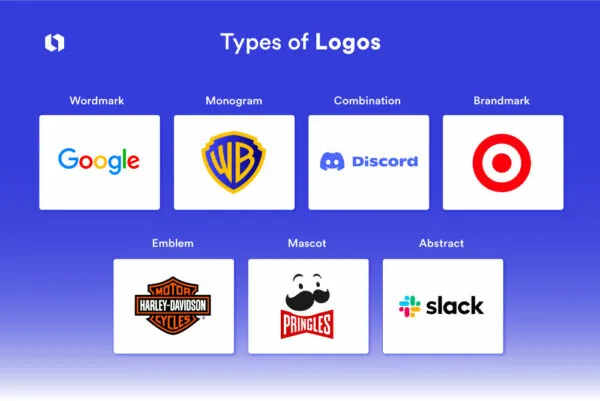
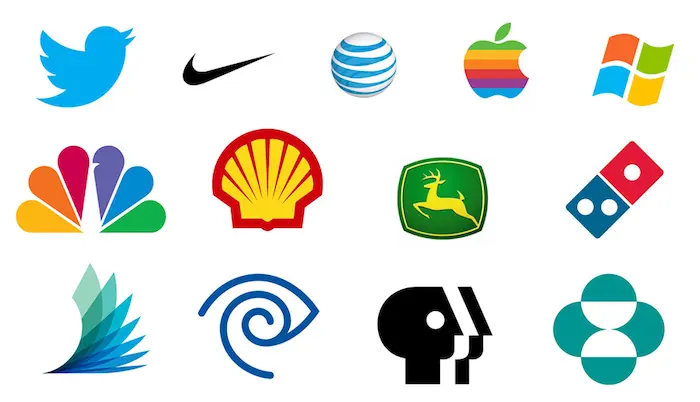
A website can be built perfectly and still feel off if the branding underneath it isn’t solid. The logo especially. It shows up on every page, every menu, every piece of signage, and if it’s inconsistent or outdated, it quietly undercuts everything else you’ve built, even a great website. If that’s where things are falling short for your restaurant, it might be worth sorting the logo and brand identity out before or alongside the website work.
We handle professional website design and logo design for restaurants and hospitality brands here, built to hold up across menus, signage, packaging, and web.
Reach out if you want to talk through what that could look like for your place.