Ask ten business owners what makes a website “good” and you’ll get ten different answers. Some point to how it looks. Some point to how fast it loads. Some just mean whether it brought in any customers last month. All of those answers are half right, which is part of why so many businesses end up with sites that look fine but don’t actually do anything for them.
Good website design isn’t one thing. It’s a handful of standards working together, and most sites fail because they nail one or two of these and ignore the rest.
It Actually Serves the Visitor, Not Just the Business
A lot of websites get designed around what the business wants to say instead of what the visitor actually came to find. That’s backwards. Someone landing on your site usually wants one of a few things: to understand what you offer, to see proof it’s worth trusting, or to take a specific action like booking, buying, or calling.
Good website design for a business starts by figuring out what that visitor’s main goal is on each page, then removing everything that gets in the way of it. If your homepage is packed with company history and mission statements before anyone gets to what you actually sell, you’re solving the wrong problem.
It Loads Fast, Everywhere
This one gets overlooked constantly because it’s invisible until it’s a problem. A site that takes six or seven seconds to load on a phone loses a big chunk of visitors before they see a single word of your carefully written copy. Speed isn’t a technical detail tucked away from design, it is design. A beautifully built site that’s slow is a slow site first and a beautiful one second, because most people never stick around long enough to notice the beautiful part.
Website design best practices around speed usually come down to compressed images, clean code, and not overloading a page with animations and scripts that don’t add real value.
It Works on Mobile Without Compromise
Most traffic to most business websites now comes from phones, not desktops. Yet plenty of sites are still designed on a big monitor first, then squeezed down to fit a smaller screen as an afterthought. That shows. Buttons too small to tap. Text that requires zooming. Menus that don’t behave properly.
Quality website design treats mobile as the primary experience, not a secondary one. If it works well on a phone, it usually works well everywhere. The reverse isn’t true.
It’s Easy to Navigate Without Thinking
Good design is often invisible. Visitors shouldn’t have to think about where to click next, they should just know. That means clear menus, logical page structure, and a consistent layout from page to page. If someone has to hunt for your contact information or can’t figure out how your site is organized within a few seconds, the design has already failed, no matter how polished it looks.
This is one of the simplest quality standards for website design to test. Hand your site to someone unfamiliar with your business and watch where they get stuck. Wherever they hesitate is exactly where your design needs work.
It Builds Trust Fast
People decide whether to trust a business online within seconds, often before reading a single sentence. Real photos instead of generic stock images. Reviews or testimonials visible without digging. Clear contact information that doesn’t feel hidden. Professional, consistent branding that doesn’t look like it was assembled from five different templates.
A site that feels current, consistent, and specific to your actual business builds trust automatically. A site that feels generic or outdated works against you before a visitor even reads your pitch.
It’s Built to Convert, Not Just Impress
There’s a difference between a website that looks impressive and one that actually gets people to act. Best practices in website design put a clear next step on every page, whether that’s calling, booking, buying, or filling out a form. If a visitor finishes reading a page and has to think about what to do next, that’s a missed opportunity. The action should be obvious every single time.
It Stays Consistent With Your Brand
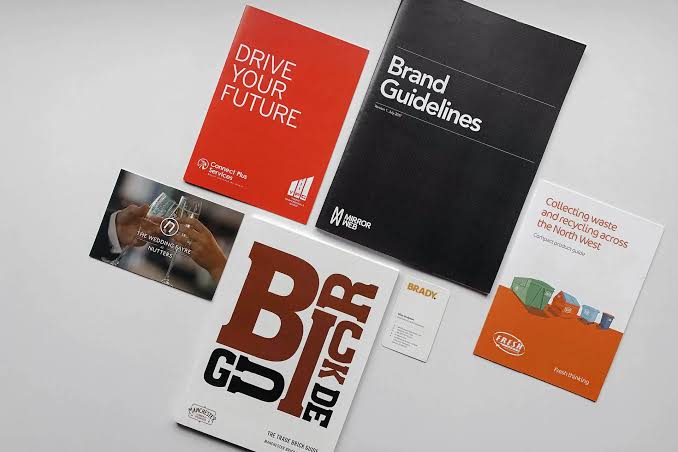
A website that doesn’t match the rest of your branding feels disjointed, even if visitors can’t quite explain why. Colors, fonts, tone of voice, and imagery should feel like they belong to the same business as your logo, your signage, and your social media. When all of that lines up, the whole brand feels more credible. When it doesn’t, even a well-designed site can feel a little off.
It Gets Updated, Not Abandoned
A lot of businesses treat their website as a one-time project instead of something that needs regular attention. Outdated hours, old promotions still showing, broken links, a copyright year from three years ago sitting quietly in the footer. None of these are huge individually, but together they signal neglect, and visitors notice neglect even when they can’t name it directly.
A good business website gets checked and refreshed periodically, not built once and forgotten.
Bringing It All Together
None of these standards work well in isolation. A fast site that’s hard to navigate doesn’t help. A beautiful site that doesn’t load properly on phones doesn’t help either. What makes a good website design is all of these things working together at once: serving the visitor first, loading fast, working properly on mobile, staying easy to navigate, building trust, guiding people toward action, matching your brand, and staying current over time.
Get most of these right and you’ve got a site that does real work for your business instead of just sitting there looking nice.
Not sure where your current site stands against these standards? We design and build websites for restaurants, hotels, and hospitality businesses, along with the logo and brand identity to match, so everything from your site to your signage feels like it comes from the same business.
Reach out to our team and let’s talk through what your website actually needs.